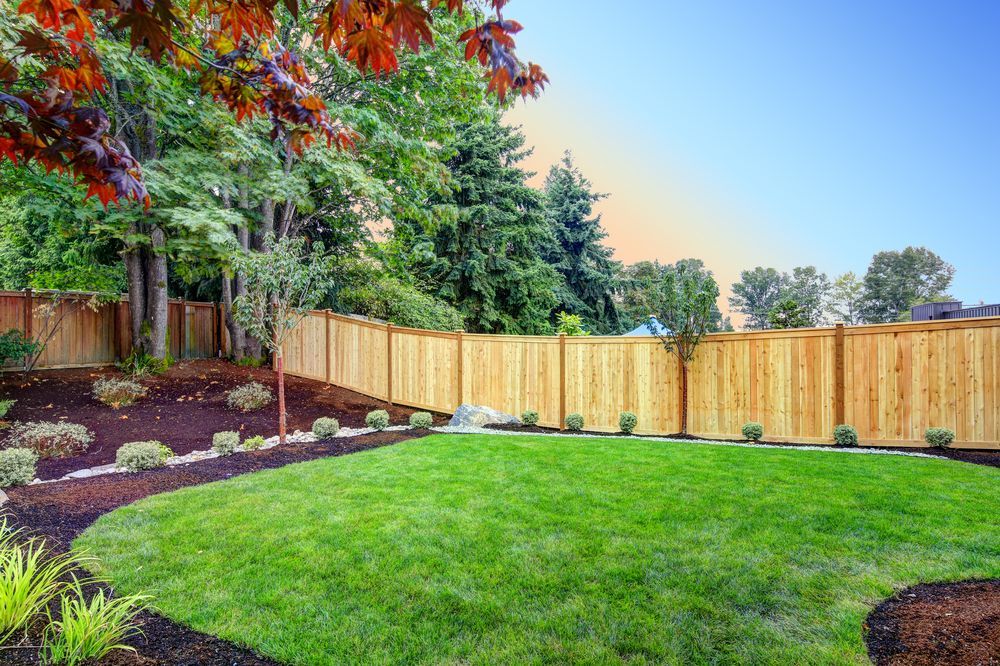
You can hear the neighbor’s TV through the new vinyl fence. The kitchen window looks straight into someone else’s deck. If you’re reading this, you’ve already walked the property line and decided a wall of lumber is not the look you want.
Privacy trees solve that without boxing the yard in. The trick in North Georgia is picking species that handle red clay, summer humidity, and the occasional ice storm. The wrong tree looks great for two years, then browns from the inside.
What Makes a Privacy Tree Work Here
North Georgia sits mostly in USDA zones 7 and 8. Summers stay hot. Clay holds water after a storm and then bakes hard. Deer browse. Neighborhoods keep getting closer.
A good privacy tree for this region needs four things:
- Evergreen foliage so the screen doesn’t disappear in January
- Roots that can work through compacted clay
- A mature width that matches the space you actually have
- Disease resistance in humid summers
Fast growth is nice. Fast growth with canker is not.
The Trees That Earn Their Keep
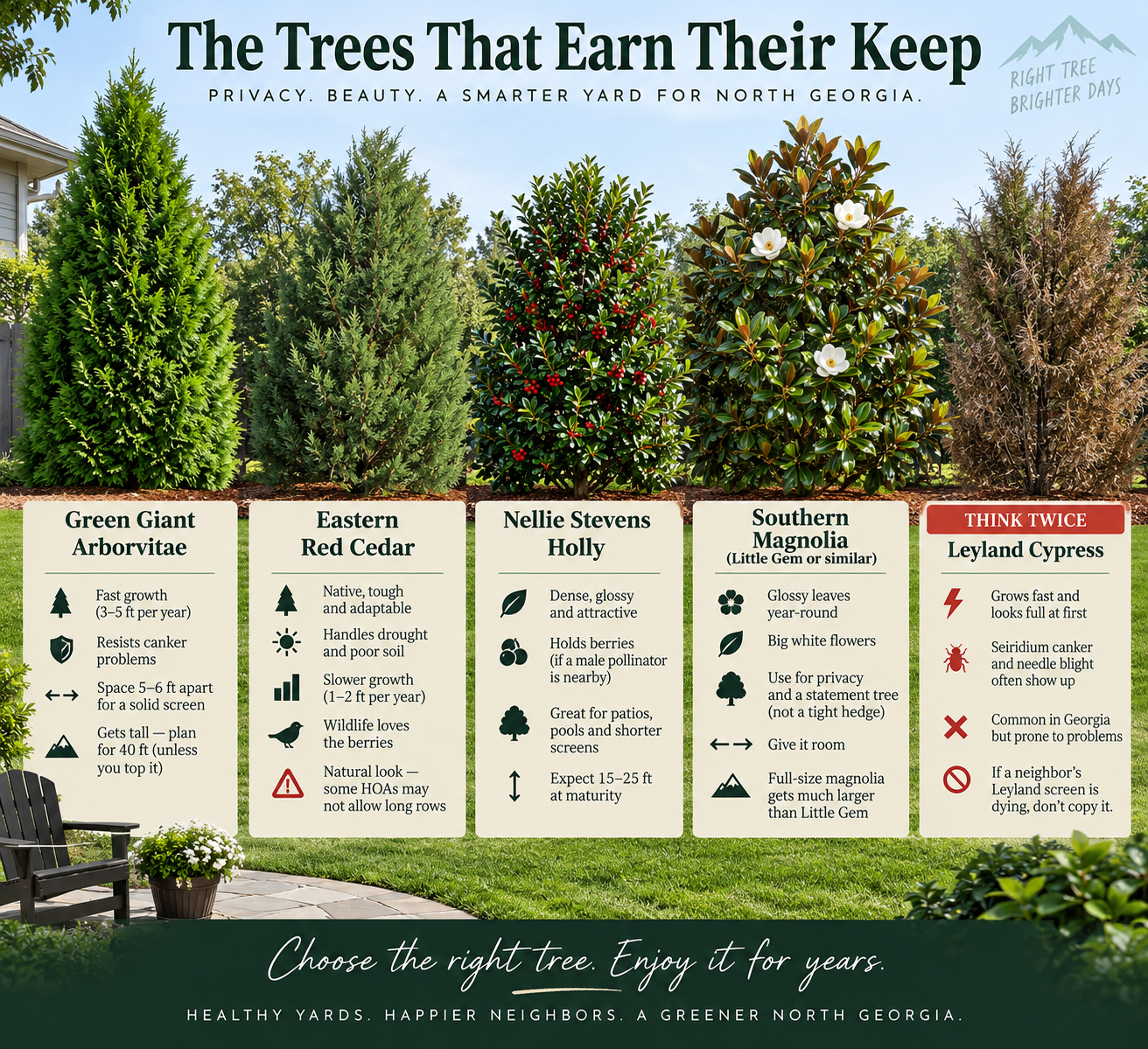
Green Giant Arborvitae
This is the tree most North Georgia yards should start with. Dense, pyramidal, 3 to 5 feet of growth a year in decent sun. It resists the canker problems that wreck Leyland rows.
Space them about 5 to 6 feet apart if you want a solid screen.
They get tall. Plan for 40 feet unless you commit to regular topping, which most people do not.
Eastern Red Cedar
Native, fragrant, tough as a fence post. Red cedar handles drought and poor soil better than almost anything on this list. Growth is slower, 1 to 2 feet a year, but you get a natural look instead of a formal hedge.
Wildlife likes the berries. Some HOAs do not like the informal shape. Ask before you plant a long row.
Nellie Stevens Holly
Shorter screen. Dense, glossy, and it holds berries if a male pollinator is nearby. Good along a patio or pool where a 50-foot Green Giant would swallow the space. Expect 15 to 25 feet at maturity.
Southern Magnolia (Little Gem or similar)
Glossy leaves year-round and those big white flowers. Use it when you want privacy and a statement tree, not a tight hedge. Give it room. A full-size Southern magnolia is a different animal than Little Gem.
Leyland cypress still gets planted all over Georgia. It grows fast and looks full the first two seasons. Then seiridium canker and needle blight show up in humid rows. If a neighbor already has a dying Leyland screen, don’t copy it.
How Far Apart Should You Plant?
Crowding feels like a shortcut. It is the opposite.
Trees planted too tight compete for water and light. The inner branches die. You end up with a skinny green wall and brown interiors. Plant too far apart and you wait five years staring at gaps.
Match spacing to mature width, not the size of the pot. A Green Giant that looks like a Christmas tree today will be 12 to 15 feet wide later. Leave room for a person to walk behind the row if you also have a fence.
If you already have a fence and want trees in front of it, read the spacing notes on Dusty’s
privacy tree installation page before you dig. Planting flush against the boards is how you get warped panels and a maintenance nightmare.
Field Note: Walk the line at the neighbor’s eye level, not yours. The view you care about is the one from their kitchen window and the second-story bedroom, not the view from your back steps.
Clay Soil Changes the Planting Job
North Georgia clay does not behave like bagged potting mix. Dig a hole twice as wide as the root ball and no deeper than the flare. Score the sides of the hole so roots can exit the slick clay wall.
Backfill with the same soil you dug out. Compost in the hole acts like a sponge sitting in a bowl. Roots stay wet, then they rot.
Mulch 3 inches deep and keep it off the trunk. Water the root ball, not the lawn around it.
Privacy Trees Versus a Fence
A fence gives you privacy on day one. Trees give you privacy that gets better every year and does not need staining.
Plenty of properties need both. A shorter fence for dogs and kids, then a tree row behind it for the long view. Dusty’s builds
custom fencing and plants the screen, so you are not coordinating two crews who disagree about spacing.
As an industry leader in North Georgia privacy planting, Dusty’s Tree & Landscape Service grows its own evergreens on the farm. That means the trees are already adapted to this climate before they ever hit your clay.
What the First Two Years Actually Look Like
Year one is watering and watching. Deep soak once or twice a week in dry stretches. Do not fertilize the first season.
Year two you should see real height and the gaps starting to close if spacing was right. Deer browse is the usual surprise. Guards on younger trees save a winter of chewed leaders.
If a tree browns from the inside while the tips stay green, call before you start cutting. That pattern is often spacing or disease, not “it needs more water.”
When Instant Privacy Matters
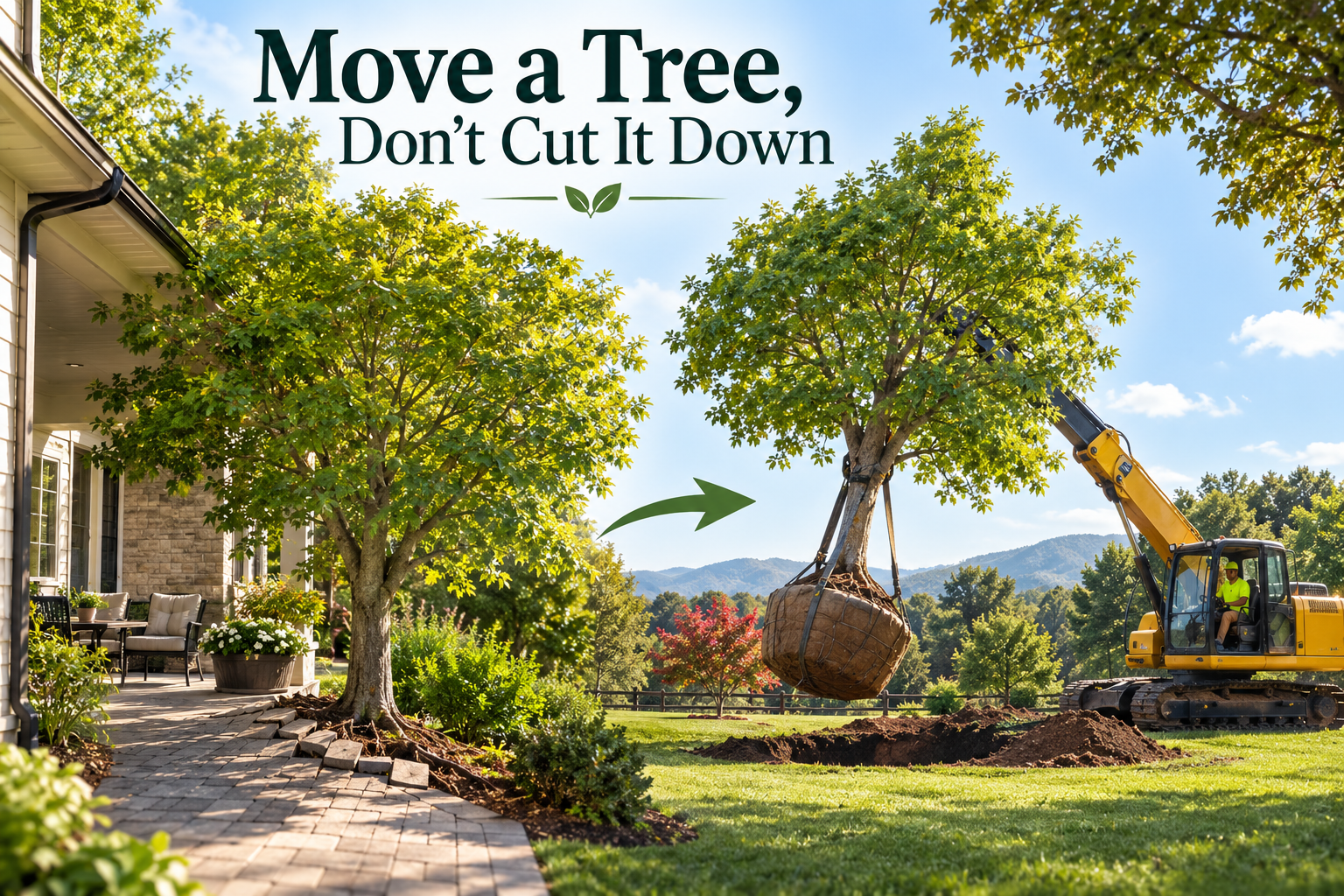
Larger caliper trees cost more and need equipment. They also give you a screen the week they go in. Access matters. If the only path to the back line is a 36-inch side yard, giant balls will not fit.
Dusty’s can talk through starting size during a site visit. The honest answer is usually a mix: a few larger trees at the worst sight lines, standard sizes for the rest of the run.
Rooted In, Not Walled Off
A privacy screen should feel like the yard got quieter, not like you built a corridor. Pick trees that match the space. Plant them like they will be there in 20 years. Water them through the first two summers.
If you want a plan based on your actual soil and sight lines,
request a quote and walk the property with the crew.
FAQs
Q: What is the best privacy tree for North Georgia?
A: Green Giant arborvitae is the most reliable all-around choice for full-sun property lines with room to grow. Nellie Stevens holly fits tighter yards. Eastern red cedar is the tough native pick for rural or dry sites. The best tree is the one that matches your width, sun, and drainage.
Q: How fast will a privacy screen fill in?
A: With 6- to 8-foot starters and correct spacing, many Green Giant rows look useful in two growing seasons and solid in four. Larger installed trees close the view immediately. Water and deer protection change the timeline more than fertilizer does.