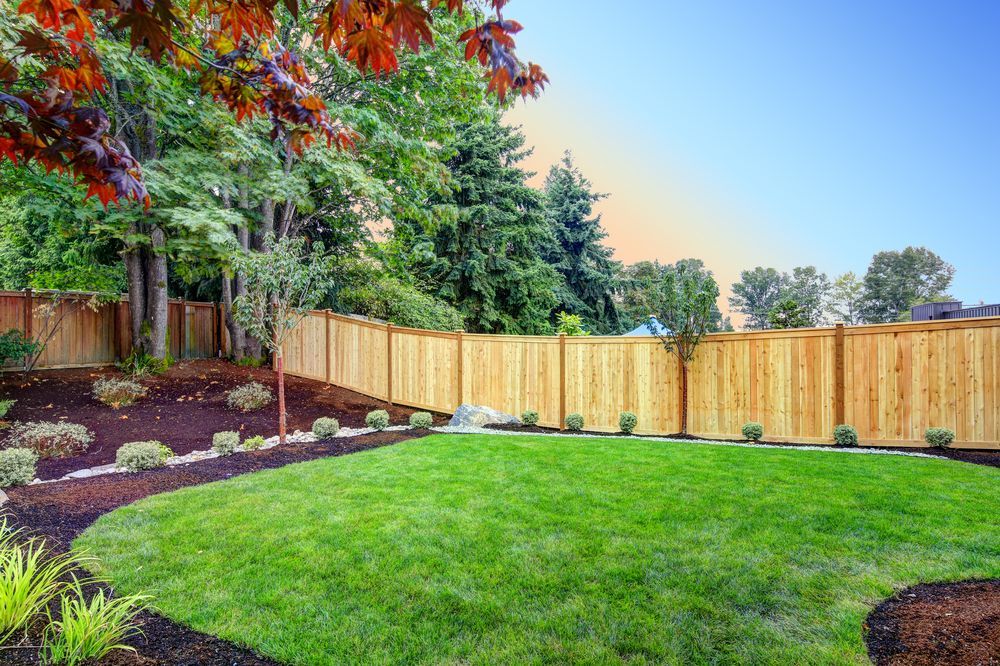
A healthy green lawn can completely change the look and feel of your property. Whether
you are finishing a new construction project, repairing a bare yard, improving curb appeal, or starting fresh after grading work, choosing the right lawn installation method matters.
Two of the most common options are hydroseeding and sod installation. Both can produce a beautiful lawn, but they work in different ways. The right choice depends on your timeline, budget, property conditions, slope, watering plan, and how quickly you want the lawn to look finished.
At Dusty’s Tree & Landscape Service, we help homeowners and businesses across North Georgia choose practical outdoor solutions that fit their property. If you are comparing
hydroseeding vs. sod, this guide can help you understand the benefits of each option before you start your next landscaping project.
What Is Hydroseeding?
Hydroseeding is a lawn installation method that uses a sprayed mixture of grass seed, mulch, fertilizer, water, and other soil-supporting materials. This mixture is applied evenly across prepared soil to help seed germinate and establish.
One of the biggest benefits of hydroseeding is that it can cover large areas efficiently. It is often a good option for new yards, open spaces, slopes, and properties where traditional hand seeding may be too slow or uneven.
The mulch in the hydroseed mixture helps hold moisture around the seed. It also helps reduce runoff, which can be especially helpful on sloped or uneven ground. Compared to traditional seeding, hydroseeding often provides more uniform coverage and a better chance of strong early growth when watering and soil conditions are managed properly.
Hydroseeding does not create an instant lawn the way sod does. It takes time for the seed to germinate, fill in, and mature. However, for many homeowners, the balance of cost, coverage, and long-term results makes hydroseeding a smart choice.
What Is Sod Installation?
Sod installation uses pre-grown grass that is cut into rolls or slabs and laid directly over prepared soil. Once installed, sod gives the property an immediately green appearance.
Sod is popular because it delivers fast visual results. If you want your yard to look finished right away, sod is often the better option. It can be especially helpful for front yards, curb appeal projects, high-visibility areas, and properties being prepared for sale.
Sod also provides quick erosion control because the grass is already established. Once the roots begin to attach to the soil, the lawn becomes stronger and more usable. With proper watering and care, sod can become a healthy, durable lawn in a shorter time than seeded options.
The main tradeoff is cost. Sod installation is usually more expensive upfront than hydroseeding because the grass is grown, harvested, transported, and installed as a finished product. Still, many homeowners feel the speed and immediate look are worth the investment.
Cost: Which Option Is More Budget-Friendly?
For many properties, hydroseeding is generally more affordable than sod installation, especially when covering a large area. Because hydroseeding uses seed and a sprayed application process, it can be a cost-effective way to establish a lawn across wide spaces.
Sod usually costs more upfront, but it offers faster results. The higher price includes the pre-grown grass itself, along with the labor required to install it properly. If your main goal is an instant lawn, sod may be worth the added cost.
A good way to compare the two is to think about your priorities. If your budget is the biggest concern and you are comfortable waiting for the lawn to grow in, hydroseeding may be a better fit. If you need immediate curb appeal and have room in the budget, sod installation may be the better choice.
The size of your yard also matters. For large areas, the cost difference between hydroseeding and sod can become significant. For smaller sections, sod may be easier to justify.
Timeline: How Fast Do You Need a Lawn?
Timeline is one of the clearest differences between hydroseeding and sod.
Sod provides an instant green look as soon as it is installed. It still needs time to root, and you should avoid heavy foot traffic while it becomes established, but the visual change is immediate.
Hydroseeding takes longer. You may begin seeing growth within a short period when conditions are right, but the lawn needs time to fill in. The final result depends on watering, weather, soil preparation, grass type, and maintenance.
If you are preparing for an event, listing a home, or finishing a project where appearance matters right away, sod is often the stronger choice. If you are planning ahead and can give the lawn time to establish naturally, hydroseeding can be a great option.
Yard Conditions Matter
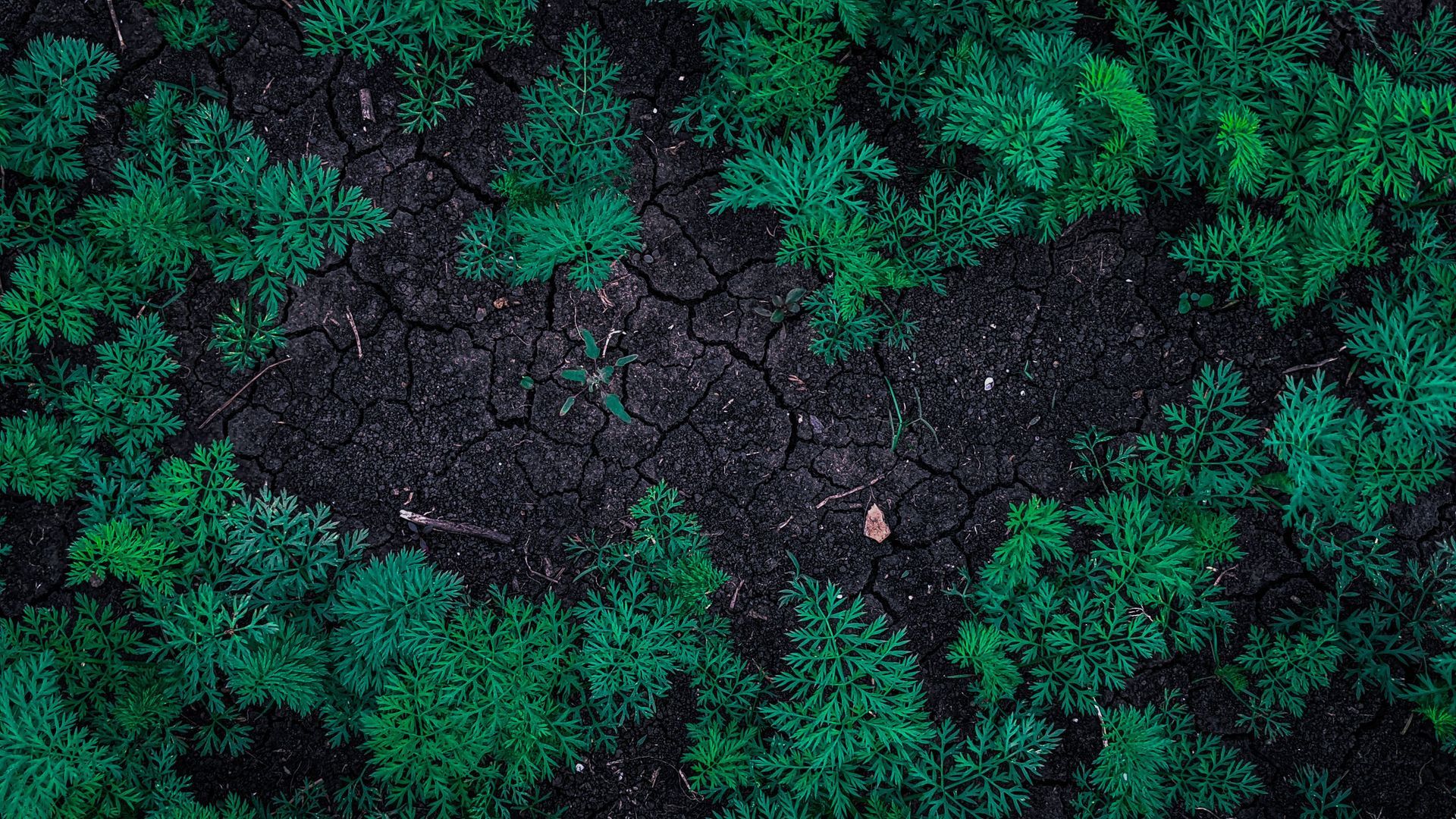
Every yard is different. Soil condition, slope, drainage, sunlight, and irrigation access can all affect which lawn installation method is best.
Hydroseeding works well for many sloped areas because the mulch mixture helps hold seed in place and can reduce erosion during establishment. It can also be a good option for hard-to-reach spaces where laying sod may be more difficult.
Sod can also help with erosion because it covers the soil immediately. This makes it useful for areas where bare soil needs fast protection. However, sod still needs strong soil preparation and consistent watering to root properly.
If your yard has poor drainage, compacted soil, or uneven areas, those issues should be addressed before either option is installed. Lawn installation works best when the foundation is right. In some cases, services like top dressing, grading, drainage mitigation, or landscape irrigation may be needed to support long-term lawn health.
Maintenance After Installation
Both hydroseeding and sod need consistent care after installation. The first few weeks are important.
Hydroseeding requires careful watering to keep the seed moist while it germinates. If the seed dries out too much, growth may be uneven. If the area receives too much water, seed can wash away or settle poorly.
Sod also needs steady watering after installation. The goal is to keep the sod and soil moist enough for roots to grow down into the ground. Mowing should wait until the sod is rooted and ready.
Neither option is completely hands-off. A new lawn needs attention, especially during warm or dry North Georgia weather. A professionally planned landscape irrigation system can make watering easier and more consistent.
Which Option Is Best for Erosion Control?
Both options can help with erosion control, but they do it differently.
Hydroseeding helps by using a mulch layer that protects seed and soil while grass begins to grow. This can be useful on slopes, open areas, and properties where runoff is a concern.
Sod gives the ground immediate coverage, which can be helpful when soil needs fast stabilization. Because it is already grass, it can protect the surface quickly once installed.
For steep slopes or areas with heavy runoff, the best choice may depend on the property. A professional landscaping team can look at the grade, soil, drainage patterns, and water flow before recommending the right approach.
When Hydroseeding May Be the Right Choice
Hydroseeding may be a good fit if you want a cost-effective lawn installation option and have time for the grass to establish. It is often a smart choice for larger yards, open areas, slopes, and projects where even seed coverage is important.
Hydroseeding may be right for you if:
- You have a larger area to cover.
- You want a more affordable alternative to sod.
- You can water consistently during the establishment period.
- You are comfortable waiting for the lawn to grow in.
- Your property has slopes or areas where traditional seeding may wash away.
For many North Georgia homeowners, hydroseeding offers a strong balance of value and performance.
When Sod Installation May Be the Right Choice
Sod installation may be the better choice if you want fast results and immediate curb appeal. It is ideal for homeowners who do not want to wait for grass to grow from seed or who need a finished look right away.
Sod may be right for you if:
- You want an instantly green lawn.
- You are preparing a home for sale.
- You need quick soil coverage.
- You are improving a front yard or high-visibility area.
- You prefer a more established starting point.
Sod can be a great investment when timing and appearance are top priorities.
Choosing the Best Lawn Installation for Your Property
There is no one-size-fits-all answer when comparing hydroseeding vs. sod. The best choice depends on your goals, yard size, soil condition, timeline, and budget.
Hydroseeding is often the better choice for larger areas, tighter budgets, and properties where you can wait for the lawn to develop. Sod installation is often the better choice for instant curb appeal, faster coverage, and a finished look right away.
At Dusty’s Tree & Landscape Service, we bring local knowledge, honest advice, and professional workmanship to every landscaping project. Our team provides hydroseeding, sod installation, landscape irrigation, top dressing, drainage mitigation, tree planting, tree moving, fencing, and other landscaping services in North Georgia.
We proudly serve Buford, Cumming, Gainesville, Hoschton, Johns Creek, Lula, Sugar Hill, Suwanee, and surrounding communities.
If you are ready to start your lawn installation project, contact Dusty’s Tree & Landscape Service today to schedule a free estimate and find out whether hydroseeding or sod is the right fit for your property.