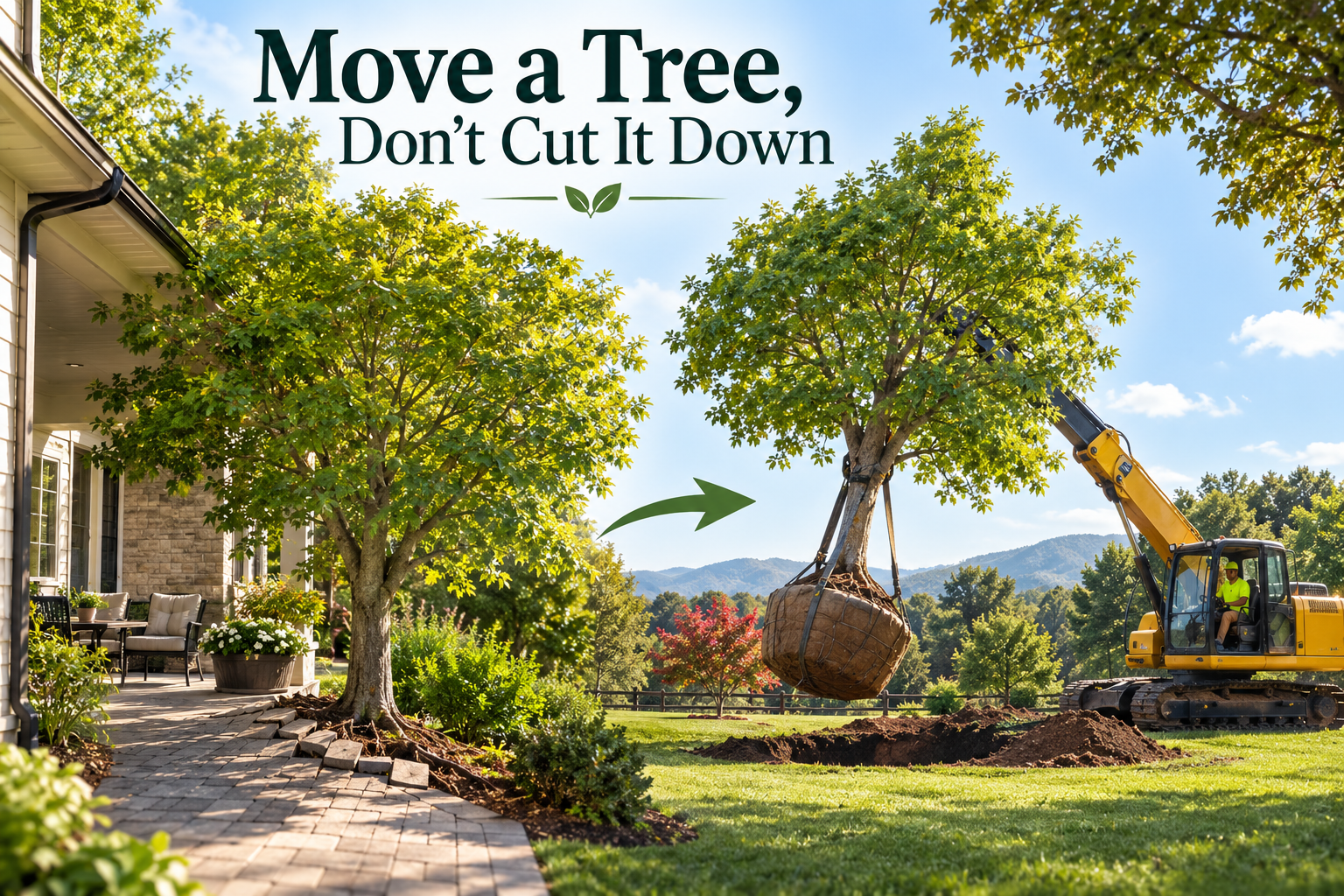
Trees are more than just a part of the landscape; they shape the character of a property, provide shade, and contribute to a healthy environment. But sometimes, a tree stands in the way of construction, or its current location does not give it enough sunlight. Instead of cutting it down, many homeowners turn to tree relocation, a process that moves mature trees from one spot to another without harming them.
Tree relocation is both an art and a science. It combines knowledge of tree biology, proper handling techniques, and professional equipment to move trees safely. Working with the
best tree relocation services in Cumming is often the safest choice, especially for large or valuable trees.
Why Trees Are Relocated
There are several reasons why a tree might be relocated rather than removed:
- Construction projects: A new driveway, addition, or building may conflict with a tree’s location.
- Landscape design: Trees may need to be repositioned for better aesthetics or growth conditions.
- Sunlight or soil requirements: Some trees grow poorly in their current spot and thrive when moved to a more suitable location.
- Preservation of mature trees: Large trees provide immediate shade and beauty that new saplings cannot replicate for years.
In all cases, the goal is to give the tree a chance to grow in a new spot while minimizing stress and damage.
How Tree Relocation Works
Tree relocation is not as simple as digging a hole and moving a tree. The process is carefully planned and involves several steps:
- Assessment: Professionals evaluate the tree’s health, size, and root system. Some trees are more suitable for relocation than others.
- Root preparation: For larger trees, roots may be trimmed several months in advance to encourage new growth closer to the trunk. This reduces the shock during relocation.
- Digging and lifting: The tree is carefully dug out with a portion of its root ball intact. Special equipment lifts and transports the tree without damaging branches or roots.
- Transport: Depending on the tree’s size, it may be moved using a crane, flatbed truck, or specialized trailer.
- Replanting: The tree is placed in a prepared hole at the new location. Soil is added around the roots, and the tree is stabilized with stakes or support systems.
- Aftercare: Trees receive water, mulch, and occasional pruning to help them recover. Regular monitoring helps identify any signs of stress or disease early.
Following these steps carefully allows trees to adapt to their new surroundings while maintaining their health.
Factors That Affect Success
Several elements influence how well a tree survives relocation:
- Species: Some trees tolerate relocation better than others. Deciduous trees generally adapt more easily than conifers.
- Size and age: Younger trees and smaller specimens handle the move more readily. Large, mature trees require precise techniques and professional handling.
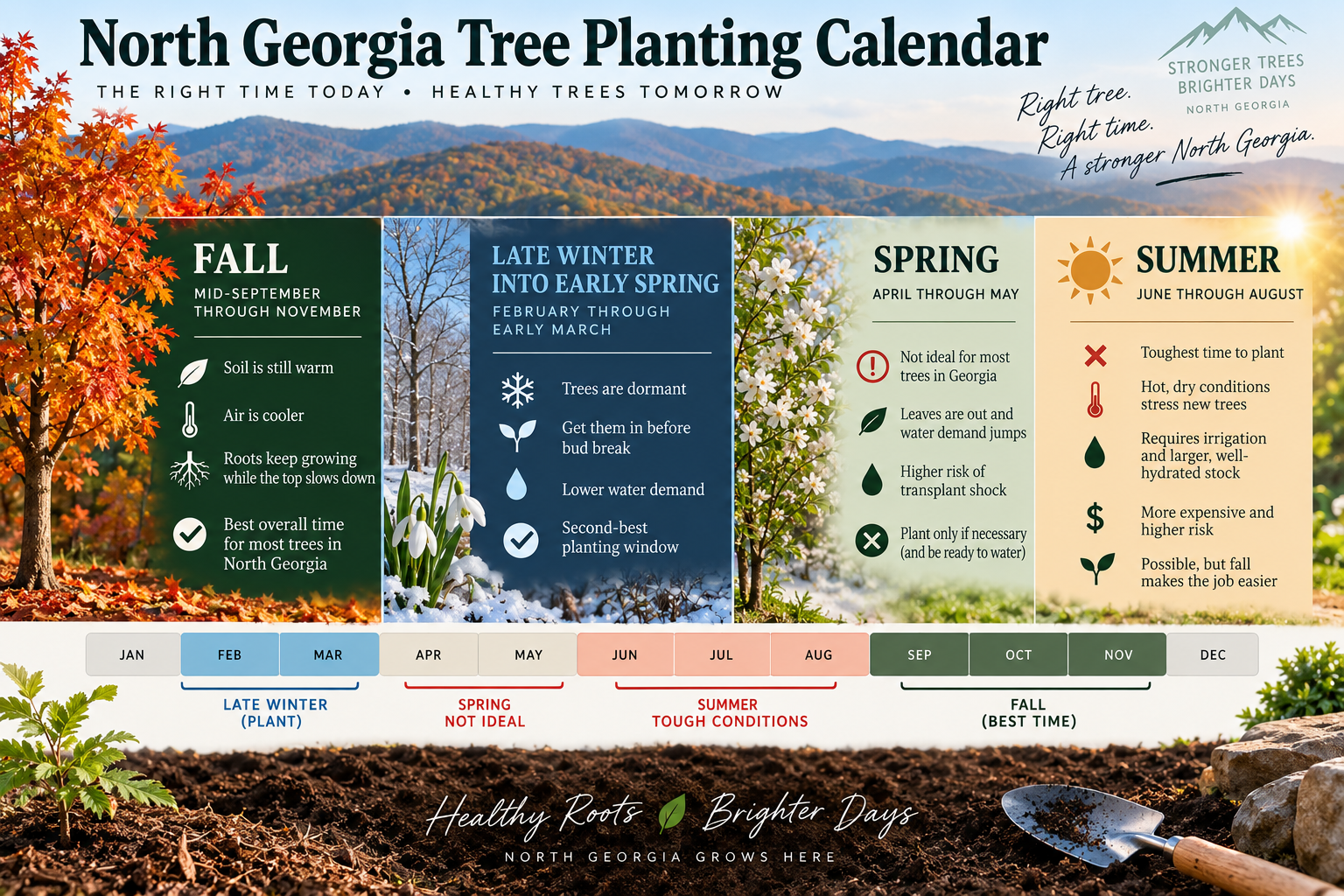
- Timing: The dormant season, usually late fall through early spring, is the best time for moving most trees. Roots are less active, and the tree experiences less stress.
- Soil and location: Proper soil conditions and adequate space at the new site are important for healthy regrowth.
Professional expertise is invaluable for accounting for these factors. The best tree moving company has the tools, experience, and knowledge to move trees with minimal risk.
Benefits of Tree Relocation
Relocating a tree offers several advantages:
- Preserves mature trees: Trees that take decades to grow can be saved rather than destroyed.
- Immediate impact: Mature trees provide instant shade and visual appeal in their new location.
- Environmental benefits: Moving existing trees maintains canopy cover, reduces erosion, and contributes to the local ecosystem.
- Flexibility in landscaping: Homeowners can adjust their landscape design without sacrificing trees.
For large or valuable trees, relocation is often more cost-effective than waiting years for a new tree to mature.
When to Use Professional Services
Tree relocation is not a simple DIY task. Moving a large or mature tree requires heavy equipment, specialized knowledge, and careful planning. A
tree planting service can handle the replanting process correctly, while the best tree moving company manages the extraction, transport, and installation
of mature trees safely.
Working with experienced professionals reduces the risk of tree death, property damage, and safety hazards.
Conclusion
Tree relocation combines careful planning, biological understanding, and skilled handling to save trees that might otherwise be lost. Whether it’s for construction, landscape design, or preservation, the process allows homeowners to maintain mature, healthy trees while adapting their property to new needs. For those looking to move or plant trees, professional services provide the expertise and equipment necessary to complete the job safely and successfully.
Frequently Asked Questions