A backyard that works well for entertaining should feel easy. Guests need a comfortable place to sit, a clear path to move through the yard, enough light after sunset, and room for food, games, or conversation. The lawn still needs sunlight, water, air, and protection from repeated foot traffic.
Those goals can work together, but they need to be planned together.
If the patio, seating area, trees, and grass are treated as separate projects, the finished yard may look great at first and become harder to maintain after a few gatherings. A good plan considers how people will use the space and how the landscape will respond over time.
Start With the Way You Actually Entertain
Before choosing materials or furniture, think about a typical gathering at your home. Are you hosting a few neighbors for dinner, a large family cookout, children’s birthday parties, or quiet evenings around a fire pit?
Write down what the space needs to handle:
- The usual number of guests
- Cooking and food-serving areas
- Seating and conversation zones
- A safe place for children to play
- Room for pets
- Access to the house and driveway
- Shade during the afternoon
- Lighting after dark
- Storage for cushions, games, and supplies
This list keeps the design focused. A yard built for the way you live will be more useful than one designed around a picture that does not match your property.
Keep Heavy Traffic Off the Grass
Repeated foot traffic compresses soil and wears down turf, especially when the ground is wet. The shortest route between the back door, grill, patio, and seating area will naturally become the busiest route in the yard.
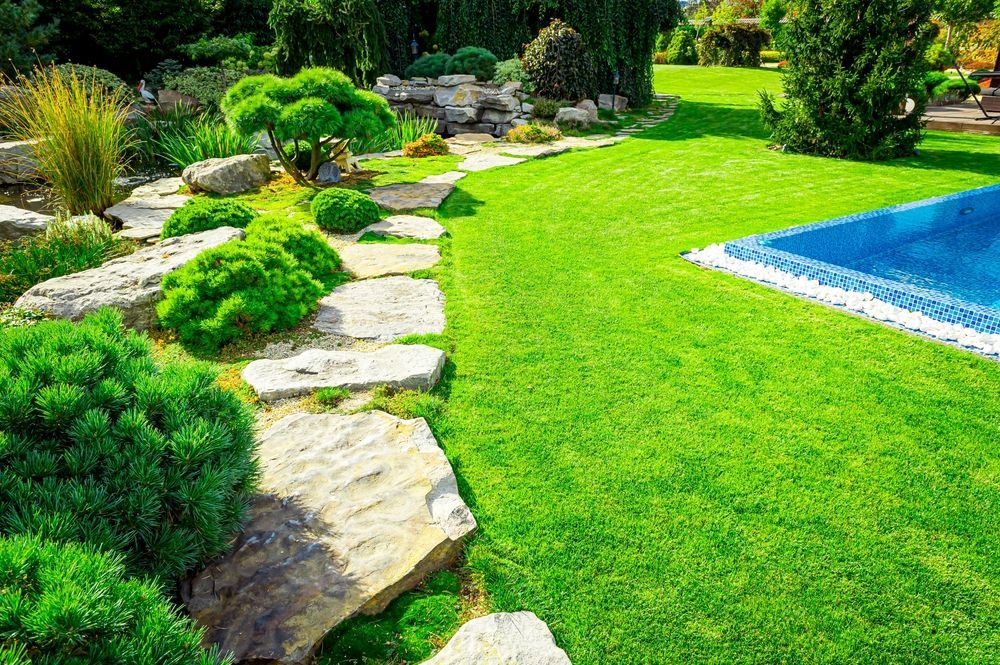
Instead of expecting grass to survive under constant use, create an obvious hard-surface path. Flagstone, stepping stones, compacted gravel, or another stable walkway can direct people while adding structure to the landscape. Landscape rock and flagstone can also define gathering areas, improve footing, and reduce the amount of turf that must handle chairs and tables.
Keep paths wide enough for comfortable movement and avoid tight turns around trees. When guests can see where they are supposed to walk, they are less likely to create a worn shortcut across the lawn.
Create Separate Activity Zones
One large open area often tries to do too much. Dividing the yard into smaller zones makes entertaining more comfortable and protects the landscape.
A dining area can sit close to the kitchen. A conversation area can face the best view. A play zone can remain on a durable section of grass where adults can see it. A fire feature should have appropriate clearance from trees, fencing, structures, and overhanging branches.
Use planting beds, low walls, rock, or changes in surface material to show where one zone ends and another begins. These visual boundaries help keep furniture and foot traffic out of planting beds and sensitive root areas.
Respect the Root Zones of Existing Trees
Mature trees provide valuable shade, but construction around them can damage the roots that support the canopy. Avoid cutting major roots, piling soil around trunks, or compacting the ground with repeated equipment traffic.
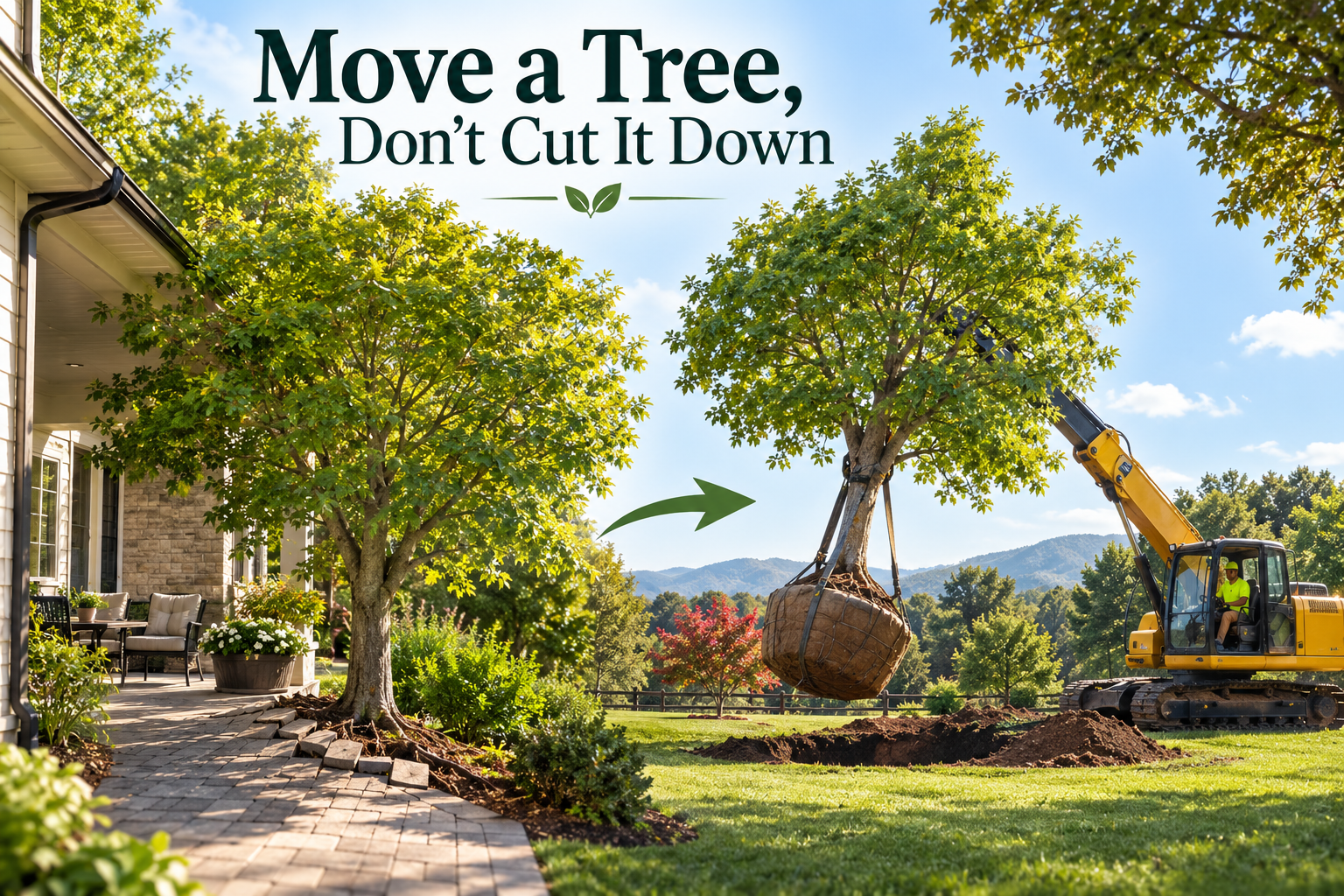
The root system often spreads well beyond the area directly beneath the branches. Place heavy patios, retaining features, and permanent structures carefully. If a tree conflicts with the new layout, a tree moving service may be an option for a suitable tree when relocation is planned early enough.
Do not place a grill or fire pit beneath low branches. Heat, smoke, and grease can damage foliage and bark, while falling leaves or twigs create a fire concern.
Choose the Right Lawn for the Sunny Areas
Grass needs enough light to stay dense. A lawn beneath mature trees may thin even with regular watering because the turf is competing for sunlight and root space.
Keep the most active grassy area where sun exposure is appropriate for the selected turf. In deep shade, consider mulch, a groundcover suited to the site, or a nonliving surface rather than repeatedly installing grass that is unlikely to last.
If the yard needs a fresh start, sod installation provides an established surface after proper soil preparation. Hydroseeding can be useful for larger areas and slopes where even coverage and erosion control matter. The right choice depends on the grade, soil, schedule, budget, and amount of use the lawn will receive.
Improve the Soil Before the First Party
Furniture and guests add pressure to the lawn. Grass growing in compacted or poorly drained soil will show wear faster than turf with a healthy root system.
Address hard soil, bare patches, and uneven areas before adding the finishing touches. Lawn top dressing may help improve soil structure and smooth minor irregularities over time. Keep heavy furniture in a permanent seating zone rather than moving it onto the grass for every gathering.
When possible, wait until the soil is firm before hosting a large event. Foot traffic on saturated ground can create ruts and compaction that remain long after the guests leave.
Plan Drainage Around Patios and Paths
Every new hard surface changes how water moves. Rain that once soaked into the soil may run toward the lawn, pool beside the patio, or erode a slope.
Watch the property during a heavy rain before finalizing the layout. Downspouts, roof valleys, existing low points, and the direction of the grade all matter. A patio should not send water toward the foundation or concentrate it around a tree trunk.
Drainage mitigation services can incorporate grading, catch basins, French drains, or dry creek beds into the plan. A drainage feature can be attractive as well as functional when it is designed with the rest of the yard.
Water the Landscape in Zones
Trees, turf, and planting beds rarely need the same watering schedule. An outdoor entertaining design should keep water off seating areas while still reaching the plants that need it.
A zoned
landscape irrigation system can water the lawn separately from trees and beds. Position sprinkler heads so they do not spray the patio, furniture, fence, or outdoor kitchen. Smart scheduling and rain sensors can reduce runoff and keep the lawn from being soaked shortly before guests arrive.
Protect valve boxes, sprinkler heads, and drip lines during construction. Marking the system before digging can prevent an expensive surprise.
Add Lighting for Safety and Atmosphere
Landscape lighting extends the use of a backyard after sunset, but brightness alone does not make a good lighting plan. Focus first on steps, pathways, cooking areas, changes in elevation, and entrances. Then use softer light to highlight trees, stone, or garden features.
Professional landscape lighting can help balance visibility with a comfortable atmosphere. Fixtures should not create glare in guests’ eyes or shine into neighboring windows. Well-placed lighting also makes it easier for people to stay on designated paths instead of wandering across planting beds or uneven lawn areas.
Use Fencing to Shape the Space
A fence can provide privacy, define a pet area, and create a finished backdrop for an outdoor room. The style and placement should work with the trees, grade, gates, and traffic pattern.
Plan gates where people naturally enter the yard. A poorly placed gate can create a worn trail across the grass.
Custom fence installation also needs to account for roots, utilities, drainage, and the mature spread of nearby trees.
Prepare the Lawn Before and After a Gathering
A little planning reduces wear. Before guests arrive:
- Mow when the lawn is dry
- Move games away from thin or shaded areas
- Keep tables and chairs on stable surfaces
- Mark soft ground or irrigation repairs
- Use mats only briefly so grass still receives light and air
- Turn off irrigation before the event
Afterward, remove furniture and temporary coverings promptly. Pick up debris, check for spills, and lightly rake flattened grass. If the soil was wet and heavily traveled, allow the area to dry before additional mowing or equipment use.
Build a Yard That Works Beyond the Party
The best outdoor entertaining space does more than look good for one weekend. It guides traffic, protects roots, manages water, and gives the lawn a realistic chance to recover.
Dusty’s Tree & Landscape Service can help North Georgia homeowners coordinate trees, lawn installation, irrigation, lighting, drainage, fencing, and natural stone into one practical plan. Call
404-483-5479 or request a landscape estimate to start planning a backyard that is ready for guests and easier to care for afterward.