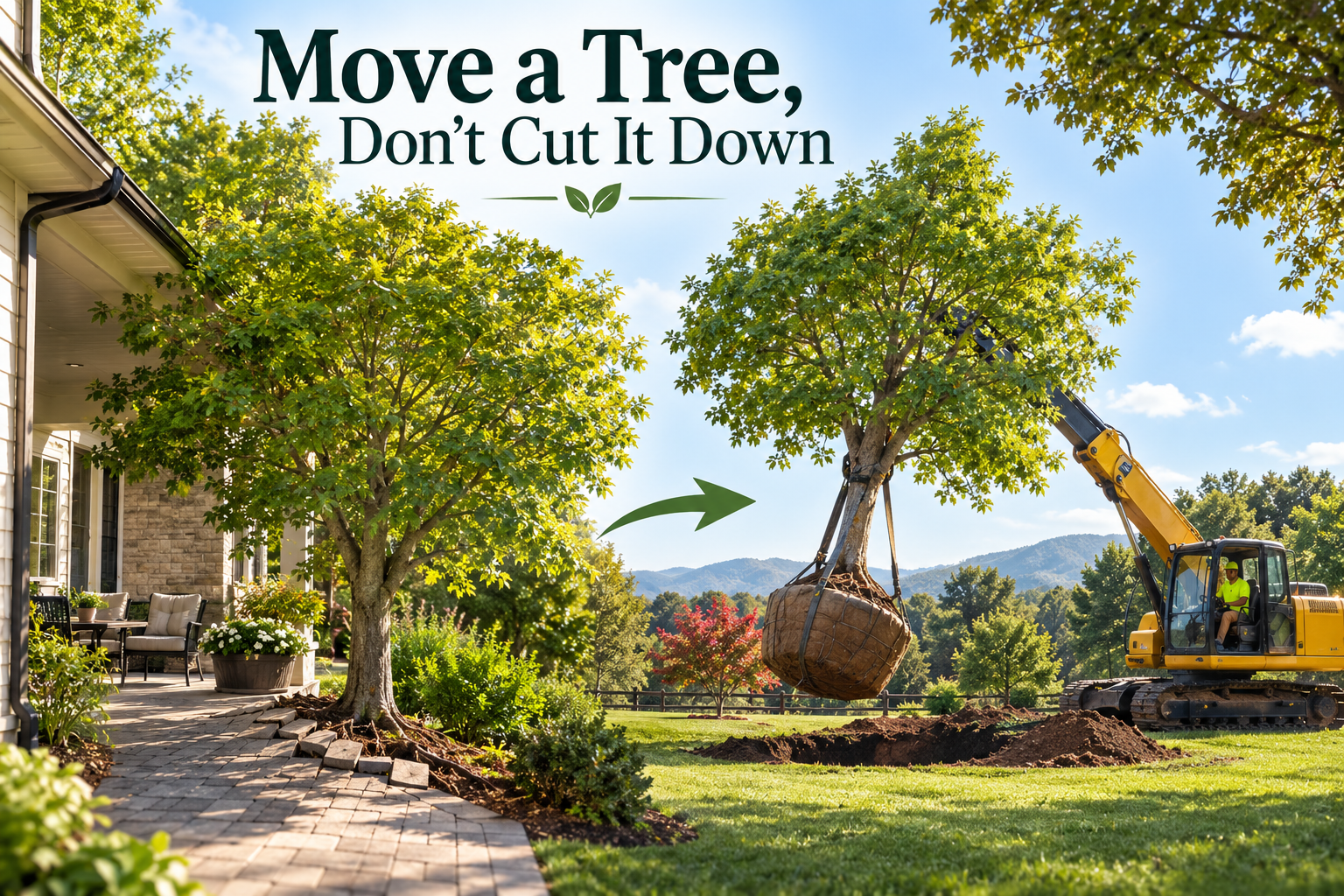
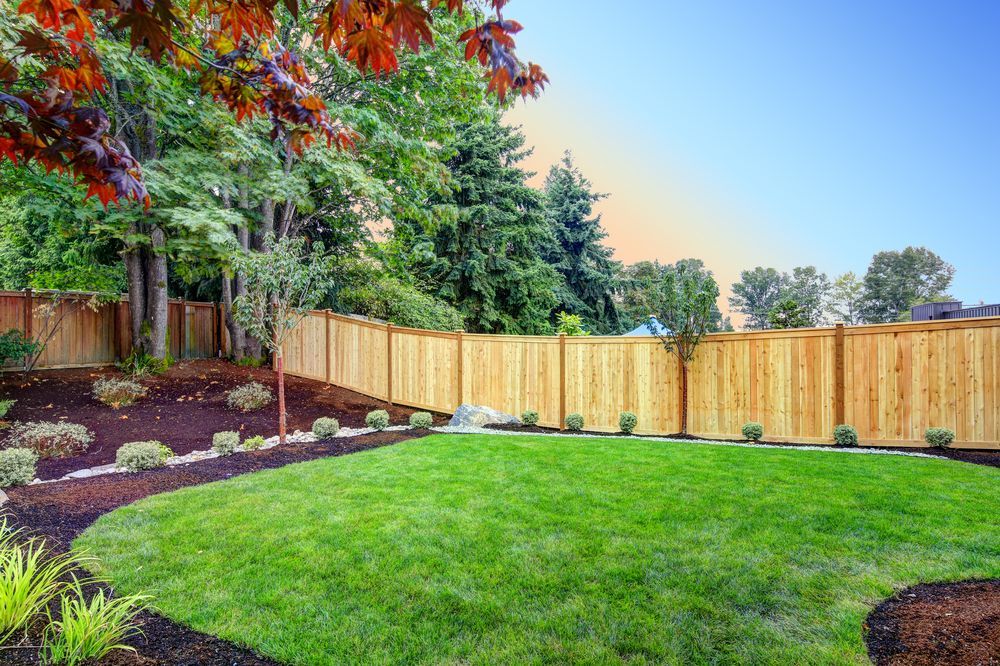
The maple was fine until the addition went in. Now it sits three feet off the new patio, roots already lifting a paver. The usual advice is “cut it.” That advice wastes 15 years of growth and a canopy you cannot buy at that size for pocket change.
A lot of North Georgia trees are not dying. They are just in a bad zip code on the same lot. Relocation exists for that.
When Moving Beats Removal
Good candidates:
- Healthy tree, no major decay or girdling roots
- In the way of a driveway, pool, addition, or septic plan
- Still small enough for a spade or crane to lift the root ball
- A new hole that actually fits the species
Poor candidates:
- Trees already declining
- Species that hate disturbance
- No room on the property for the mature canopy
- Utilities running through the only possible path
If the tree is a hazard over the roof, removal is the honest call. If it is simply crowding a walkway, moving it keeps the shade you already paid for in time.
How a Professional Move Works
Site Evaluation
Sun, drainage, clay versus loam, distance from the house, and room for the future canopy. The new hole has to be better than the old one or you moved a problem.
Utilities get marked. 811 is not optional when a spade is involved.
Root Pruning, When There Is Time
On larger trees, root pruning 6 to 12 months ahead builds a tighter feeder-root mass inside the future ball. Not every job has that luxury. Surprise patio projects usually do not.
The Lift
Smaller ornamentals can be hand-dug, burlapped, and moved. Larger shade trees and evergreens often need a tree spade. The ball size follows caliper: roughly 10 inches of ball diameter per inch of trunk is the rule of thumb crews work from.
The new hole is wider than the ball and slightly shallower. Planting deep is how relocated trees fail quietly.
Survival Rates and What They Depend On
With a correct ball, dormant timing, and real aftercare, professional moves often see survival well above 90 percent. That number drops when someone digs a small ball in July and walks away.
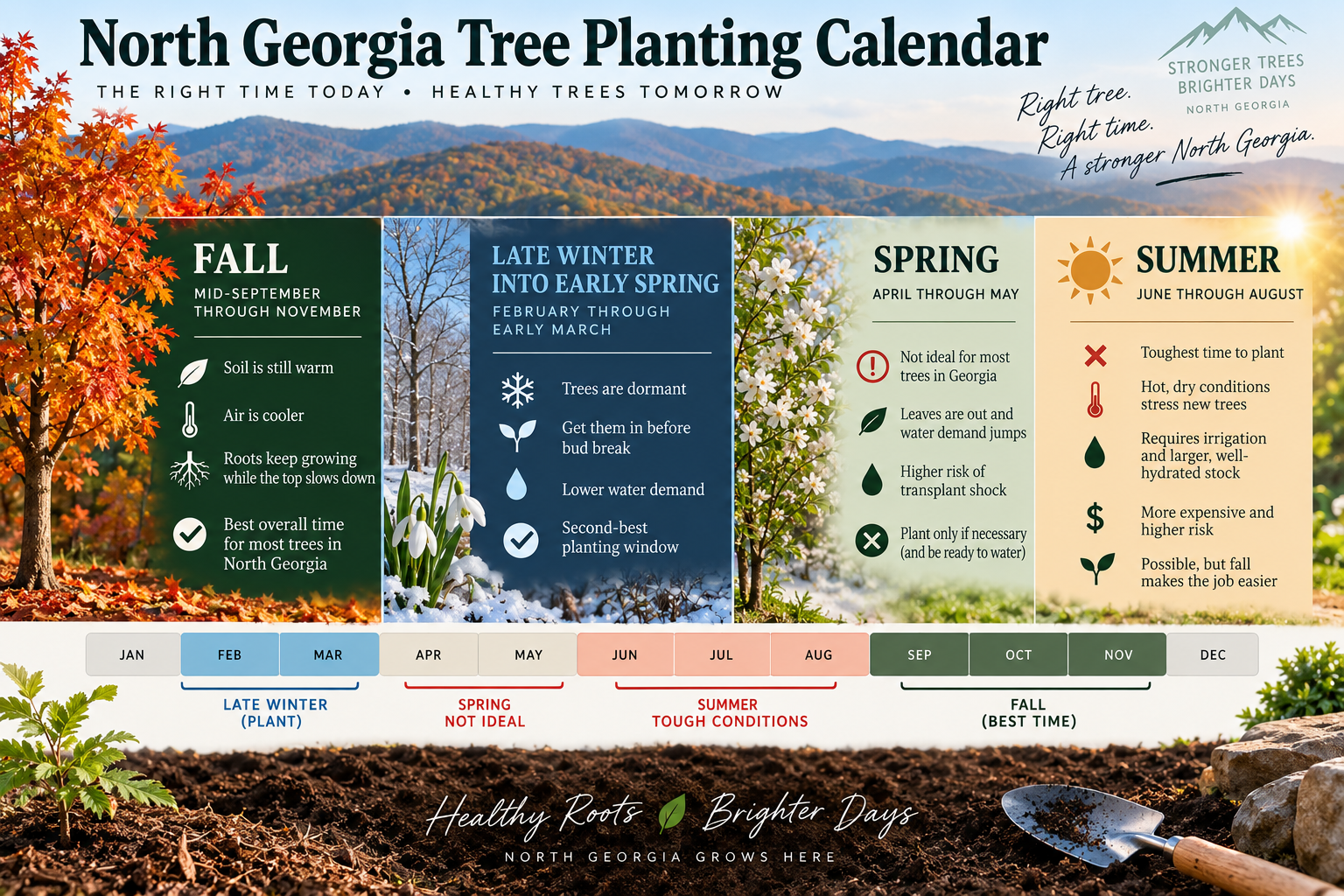
Timing tracks planting season. Late fall through early spring. Evergreens can lean early fall. Deciduous trees like true dormancy.
Aftercare is not optional:
- 3 to 4 inches of mulch, off the trunk
- Deep watering on a schedule, then taper
- Staking on windy sites, removed once roots hold
- Almost no pruning the first year except damaged wood
Leaves may look off for a season. That is shock, not a death sentence. Watch for recovery the following spring.
Job Site Reality: The tree is only half the work. The other half is a clean lawn, a marked utility path, and a watering plan the homeowner will actually follow in July.
Cost Versus Cutting It Down
Removal is faster and usually cheaper up front. You also buy a stump grind, lose the shade, and then pay to plant something that will take a decade to matter.
Relocation costs more on day one because of equipment and labor. You keep a mature tree. On a lot where summer shade hits the west wall of the house, that canopy is an air-conditioning asset, not décor.
Dusty’s Tree & Landscape Service is the North Georgia team people call when they want the tree to live in a new spot, not just disappear. Equipment plus local soil knowledge is the difference between a successful lift and an expensive firewood pile.
If the tree is healthy and the layout is the problem, start with the tree moving service overview, then pair it with a new tree planting plan if the old site needs a different species.
DIY Moves That Go Sideways
A pickup tailgate and a tarp are not a tree spade. Roots tear. The ball dries. The tree sits too deep because the hole was dug like a post hole.
If you can lift the plant with two people and a wagon, it is a shrub-scale move. Anything with real caliper belongs on equipment.
Deer, drought, and clay still apply after the move. A relocated red cedar on a dry ridge needs a different watering plan than a river birch that just left a wet corner.
Give the Tree a Second Address
Cutting is simple. It is also final. If the tree is sound and you still like it, move it while it is dormant and give it a hole that matches how big it wants to be.
Want someone to walk the site and say move, leave, or remove without the sales fog? Contact Dusty’s and get a straight read.
If a tree is healthy but sitting in the wrong spot, a professional
tree moving service can save the canopy you already have instead of starting over from a stump.
FAQs
Q: What is the best way to move a tree in North Georgia?
A: Have a crew size the root ball to the trunk, lift during dormancy, reset the flare at the correct height, and water the ball deeply through the first summer. Root pruning ahead of time helps larger trees. Weekend digging rarely matches that process.
Q: How long before a moved tree looks normal again?
A: Many trees look tired the first season and push stronger growth the second spring if watering stays consistent. Full recovery can take a year. Persistent wilt, peeling bark, or no bud break in spring means call sooner, not later.