Most homeowners judge a yard by what they can see. Green grass, full tree canopies, and healthy plants make a landscape feel cared for. When a lawn starts thinning, or a tree begins losing color, it is natural to look for a problem above the ground.
The real issue, however, may be under your feet.
Soil supports every part of the landscape. It holds roots in place, stores water, provides nutrients, and creates the air spaces roots need to function. When the soil is compacted, poorly drained, or out of balance, both trees and grass can struggle—even when they receive regular watering and fertilizer.
North Georgia yards come with their own challenges, including dense clay, slopes, heavy rain, summer heat, and soil disturbed during construction. Understanding what is happening below the surface can help you make better decisions for the entire property.
Healthy Soil Is More Than Dirt
Good soil is a working system. Mineral particles, organic matter, water, air, and living organisms all play a part. Healthy soil should hold enough moisture for roots without staying waterlogged. It should also have pore space so oxygen can reach those roots.
When soil is in good condition, grass can develop a stronger root system and trees can take up water and nutrients more efficiently. Healthy roots also help plants handle periods of heat, drought, and normal seasonal stress.
Poor soil does the opposite. It may shed water instead of absorbing it, remain soggy after rain, or become so hard that new roots cannot spread. Adding more fertilizer will not correct every one of these problems. The first step is figuring out which condition is holding the yard back.
Compaction Limits Root Growth
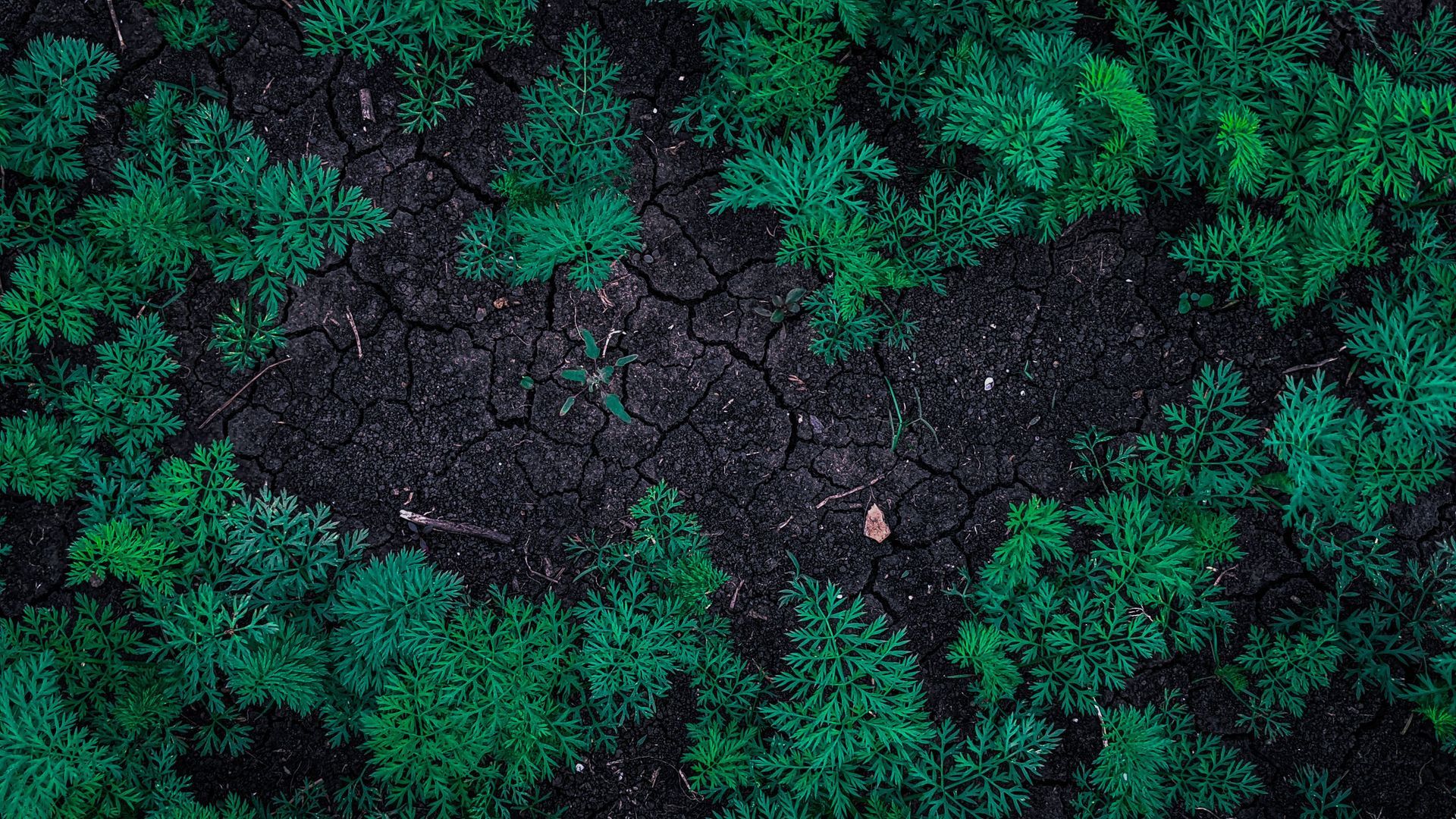
Compacted soil is common around newer homes, driveways, play areas, and places that receive frequent foot or equipment traffic. Clay particles are pressed tightly together, reducing the space available for air and water.
Grass growing in compacted soil may look thin, dry out quickly, or develop bare spots. Tree roots may stay close to the surface because they cannot easily move into the surrounding ground. Water may also run across the yard instead of soaking in.
Try pushing a screwdriver several inches into moist soil. If it is unusually difficult, compaction may be part of the problem. This quick check is not a substitute for a professional evaluation, but it can help explain why a heavily used area never seems to improve.
For established lawns,
lawn top dressing can add a thin layer of appropriate material that helps improve the growing surface over time. The right approach depends on the grass, soil, grade, and amount of compaction, so avoid piling material deeply around tree trunks or burying existing grass.
Drainage Affects Trees and Turf Differently
Roots need water, but they also need oxygen. Soil that stays saturated can crowd out air and place roots under stress. That may lead to yellowing leaves, slow growth, thinning grass, or roots that begin declining below the surface.
Walk the property after a steady rain. Look for puddles that remain for hours, soggy low spots, eroded slopes, and downspouts that empty near trees or lawn areas. Also notice where water rushes across the surface. A yard can have standing water in one section and overly dry soil in another.
Drainage mitigation may include grading, French drains, catch basins, dry creek beds, or erosion-control measures. The goal is not to make the soil dry. It is to move excess water safely while keeping enough moisture available for healthy growth.
Soil pH Controls Nutrient Availability
A fertilizer label can show which nutrients are in the bag, but it cannot tell you whether the soil actually needs them. Soil pH affects how available many nutrients are to plants. If the pH is outside the preferred range for your grass or trees, adding more product may waste money or create a new imbalance.
A soil test provides better direction than guessing. Collect samples from areas that have similar use and conditions rather than mixing the entire property into one bag. The sunny front lawn, shaded backyard, and planting beds may need to be evaluated separately.
Once results are available, follow the recommendations for the specific area. Avoid applying lime, fertilizer, or other amendments simply because a neighboring yard uses them. Two properties on the same street can have different soil histories.
Organic Matter Can Improve the Growing Environment
Organic matter supports soil structure and helps many soils hold moisture and nutrients more effectively. Over time, grass clippings left by proper mowing, decomposing mulch, and carefully selected compost products can contribute to a healthier surface.
More is not always better. Thick layers can smother grass, and mulch piled against a tree trunk can hold unwanted moisture against the bark. Keep the root flare—the widening area where the trunk meets the roots—visible. Spread mulch outward in a broad, shallow ring instead of building a mound around the trunk.
When the lawn is uneven, thin, or low in organic material, professional top dressing services can help improve the surface without covering it under a heavy layer.
Watering Should Match the Soil
Sandy soil drains quickly, while dense clay holds water longer. A watering schedule that works well in one yard may overwater or underwater another.
Instead of using short daily cycles automatically, check the soil first. Water should reach the active root area, not just dampen the surface. Deep, less frequent watering often encourages stronger roots, but the exact schedule should account for rainfall, slope, plant age, sun exposure, and soil type.
A properly designed irrigation system can divide the landscape into zones so turf, trees, and planting beds do not all receive the same treatment. Rain sensors and appropriate scheduling can also reduce runoff and unnecessary watering.
Trees and Grass Share Space—But Not Always the Same Needs
The area beneath a mature tree can be difficult for grass. Shade reduces the amount of sunlight turf receives, while tree roots and grass roots compete for water. Raising mowing height, choosing a shade-tolerant grass, or replacing struggling turf with mulch may be more realistic than repeatedly reseeding the same bare area.
Avoid cutting large tree roots to create a new lawn feature or adding a thick layer of soil over an established root system. Roots close to the surface help support and feed the tree. Sudden changes in grade can interfere with oxygen and water movement.
Before installing a new tree, a
professional tree planting service should consider mature size, sunlight, drainage, soil texture, and nearby lawn use. Choosing the right location at the beginning prevents competition and maintenance problems later.
New Lawns Depend on Proper Soil Preparation
Even high-quality grass cannot perform well on poorly prepared ground. Before sod installation or hydroseeding, the area should be cleared, graded, and prepared for root contact. Low spots, compacted subsoil, and drainage problems should be addressed before the new lawn goes down.
Skipping that preparation may produce quick green color, but the improvement may not last. Roots need a workable layer of soil beneath the surface to establish and support future growth.
Signs Your Soil May Need Attention
Look for patterns across the yard instead of focusing on one leaf or one patch of grass. Common warning signs include:
Water pooling long after rain- Soil that is very hard when moist
- Thin grass in high-traffic areas
- Repeated runoff or erosion
- Exposed or damaged surface roots
- Mushrooms or persistent wetness near a tree base
- Grass that stays yellow despite routine feeding
- Trees with reduced growth, small leaves, or thinning canopies
These symptoms can have more than one cause, so start with the site conditions. A soil test and property evaluation can keep you from spending money on products that do not address the real issue.
Build the Landscape From the Ground Up
Healthy trees and a strong lawn do not begin with a quick treatment. They begin with soil that can hold water, drain excess moisture, provide oxygen, and support root growth.
Dusty’s Tree & Landscape Service works with North Georgia soil, lawns, and trees every day. Whether your property needs better drainage, lawn improvement, irrigation, new grass, or properly selected trees, the right plan starts below the surface. Call 404-483-5479 or request a free estimate to talk through your property’s needs.