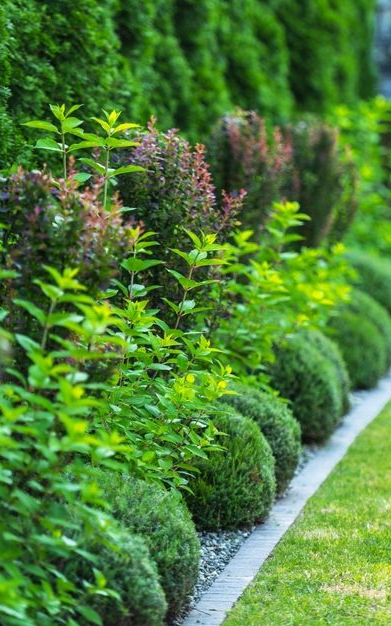
When most people think about adding trees to their property, the first thought is usually how it will look. Will it add shade? Will it frame the house nicely? Will it boost curb appeal?
Those are important questions, but they’re only part of the picture.
Choosing the right trees for your property goes far beyond aesthetics. The type of soil you have, drainage patterns, sun exposure, long-term growth potential, and even proximity to structures all play a role in whether a tree thrives or becomes a problem down the road.
At Dusty’s, we’ve seen firsthand what happens when trees are planted without considering the bigger picture. A tree that looks perfect on day one can struggle within a few seasons if it’s not suited for the environment it’s placed in.
Start With the Soil
Before selecting a tree, it’s important to understand what’s happening beneath the surface. North Georgia properties can vary widely in soil composition, from dense clay to well-draining loam.
Clay-heavy soil holds water longer, which can stress certain species that prefer fast drainage. On the other hand, sandy soil may require more frequent watering during establishment. A professional tree planting service evaluates soil conditions first and recommends species that are naturally suited for your specific property.
Planting without this step often leads to slow growth, root issues, or premature decline.
Consider Mature Size — Not Just the Sapling
It’s easy to underestimate how large a tree will eventually become. That small ornamental maple in a nursery pot may look harmless, but in 10–15 years, it could spread far beyond what you anticipated.
Always think long-term:
- How tall will it grow?
- How wide will the canopy spread?
- How deep and expansive will the root system become?
- Is it close to a driveway, foundation, fence, or septic system?
We’ve relocated many trees that were planted too close to homes or hardscape. Working with the
best tree moving company makes sure that mature trees can be repositioned safely when needed, but proper planning from the start prevents costly corrections later.
Sunlight and Wind Matter More Than You Think
Different tree species have very specific light requirements. Some thrive in full sun, while others perform better in partial shade. Planting a shade-tolerant tree in direct afternoon sun can cause leaf scorch and stress.
Wind exposure is another factor often overlooked. Open properties may need trees with stronger branch structure and deeper root systems to withstand storms common in Georgia.
Choosing species that naturally handle your property’s conditions improves survival rates and reduces maintenance needs.
Drainage and Water Flow
One of the most common issues we encounter is poor drainage. Low areas that collect water after heavy rain may seem like a good place for a tree, until root rot sets in.
Some species tolerate wet feet better than others. Understanding how water moves across your land is important before planting. In certain cases, drainage improvements should be made before installing new trees.
A professional tree planting service doesn’t just dig a hole and drop in a tree. Proper site preparation makes the difference between a tree that struggles and one that establishes quickly.
Native vs. Non-Native Species
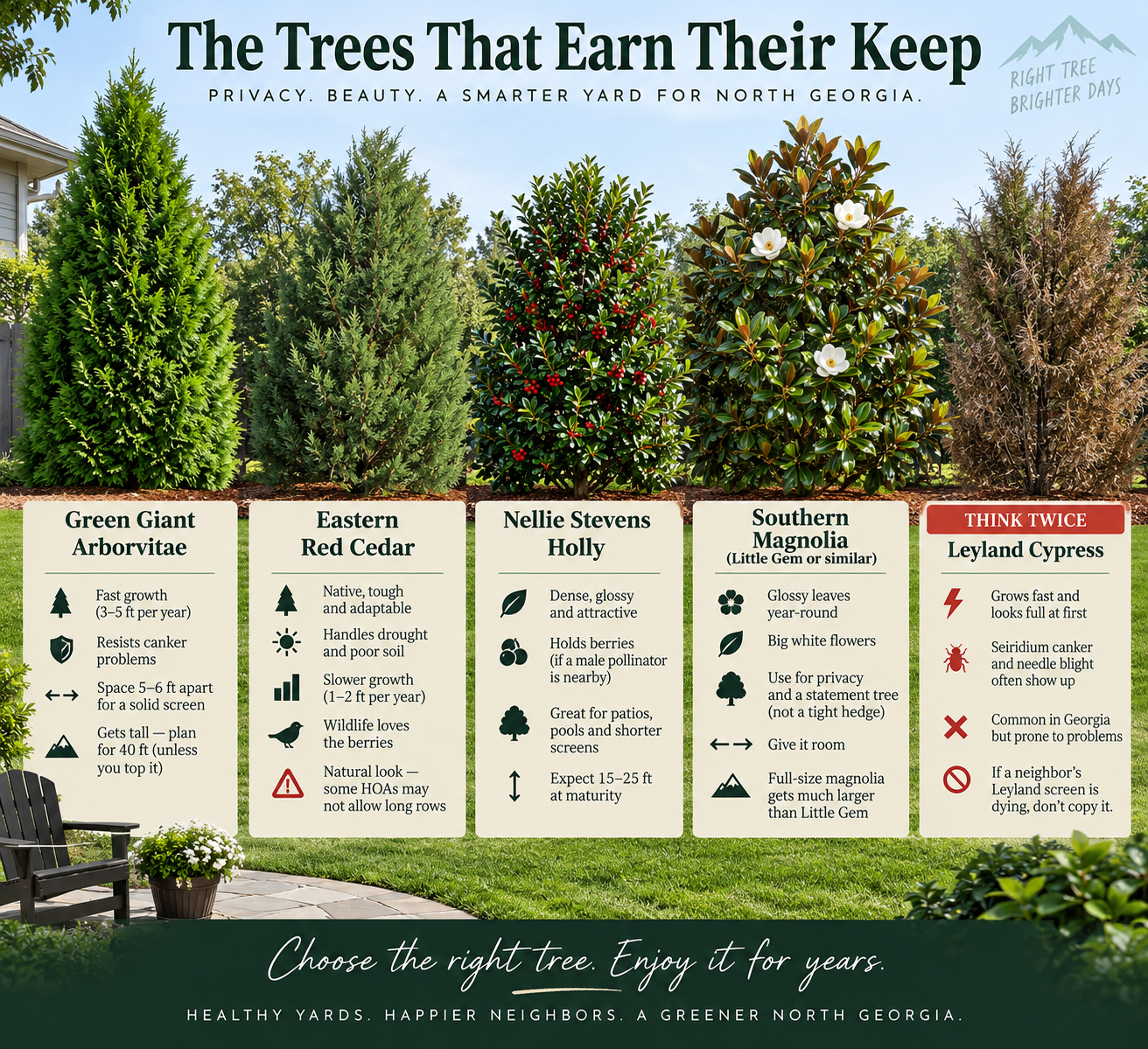
Native trees are often a strong choice because they’ve adapted to local climate and soil conditions. They also support native wildlife and pollinators.
That said, non-native species can also perform well if chosen carefully. The key is selecting varieties proven to thrive in North Georgia’s environment rather than picking solely based on appearance.
A Little-Known Fact
Here’s something many homeowners don’t realize: trees planted at the correct depth are far more likely to survive long term. In fact, planting a tree even a few inches too deep can restrict oxygen flow to the roots and shorten its lifespan significantly. The root flare, where the trunk widens at the base, should always remain visible above the soil line.
It’s a small detail that makes a big difference.
The Value of Professional Tree Relocation
Sometimes the right tree is already on your property, it’s just in the wrong place.
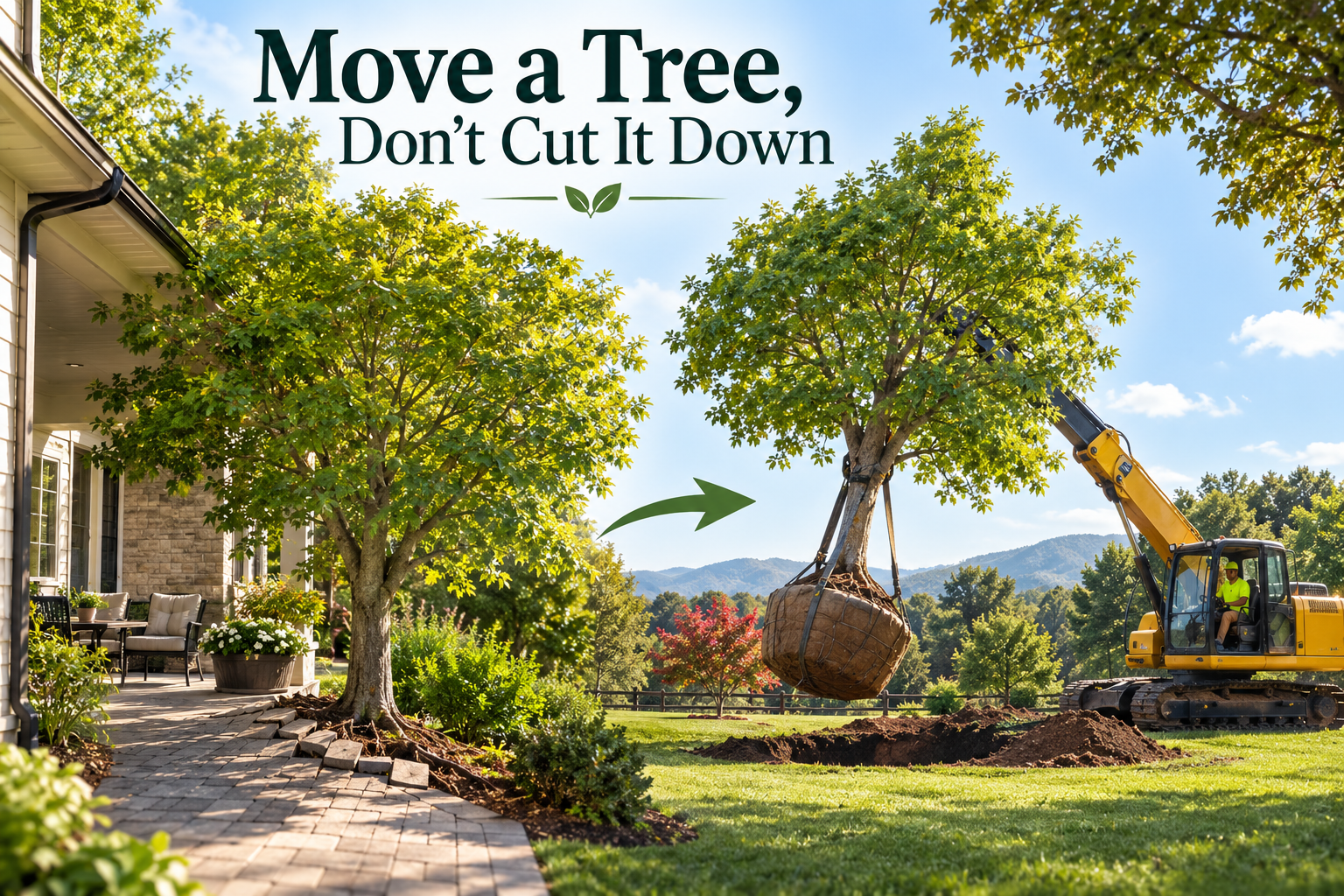
Relocating mature trees requires specialized equipment and experience. As the best tree moving company serving North Georgia, we’ve helped homeowners preserve established trees while redesigning their landscapes.
Transplanting a mature tree isn’t just about moving it. It involves:
- Careful root ball preparation
- Timing the move correctly
- Minimizing transplant shock
- Proper aftercare and watering
Done correctly, a relocated tree can continue thriving for decades.
Long-Term Property Planning
Trees are an investment in your property’s future. The right placement can:
- Reduce energy costs through shade
- Improve drainage and soil stability
- Increase property value
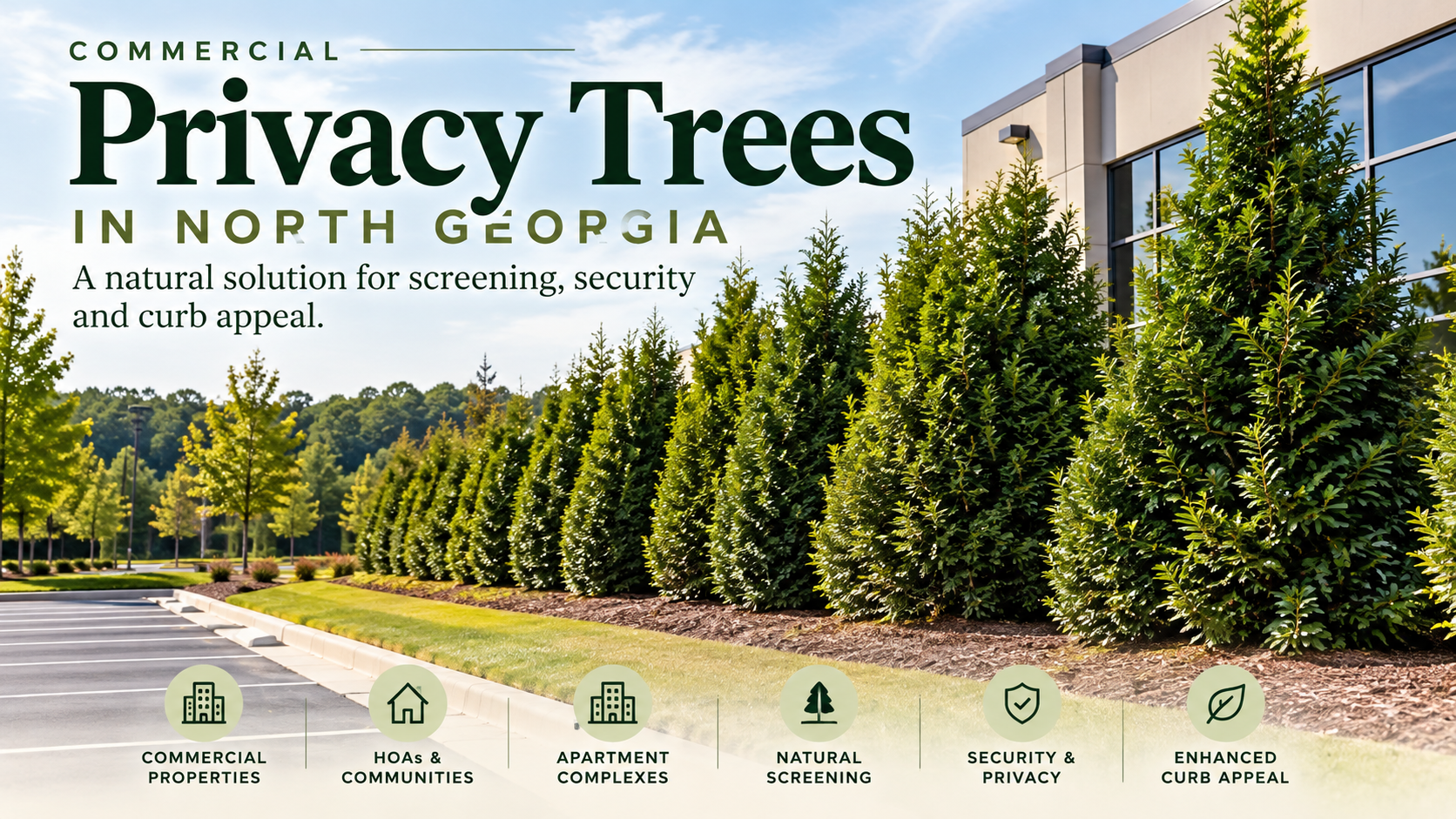
- Enhance privacy
- Support local ecosystems
The wrong choice can create ongoing maintenance headaches or even structural damage.
That’s why planning matters.
Before adding trees, think about how you use your space today, and how you might use it in 10 or 20 years. Are you planning a patio? A fence? A driveway expansion? Trees should complement your long-term plans, not conflict with them.
Why Experience Matters
Planting a tree might seem straightforward, but proper species selection, placement, and installation require knowledge of local conditions. Working with a
professional tree planting service makes sure that your investment is set up for long-term success.
Likewise, if you already have mature trees that need repositioning, hiring the best tree moving company protects both the tree and your property.
At the end of the day, choosing the right trees is about more than appearance. It’s about sustainability, structural integrity, and making decisions that benefit your property for years to come.
A well-placed, properly planted tree will outlast landscaping trends and continue providing shade, beauty, and value long after the initial installation.
If you’re considering adding or relocating trees on your property, take the time to evaluate the full picture. The right guidance now can save significant time, cost, and effort later, and make sure that your landscape grows exactly the way you envisioned.