Trees add beauty, shade, and character to your property. They also take years to grow and become part of your landscape. That’s why it can be hard to decide when something might be wrong with one of them. A sick or damaged tree can pose risks to your home, nearby plants, and even your family’s safety.
At
Dusty’s Tree and Landscape Service, we often get calls from homeowners who notice something unusual but aren’t sure if it means trouble. Here are a few ways to tell when a tree might be in decline and what to do before it becomes a hazard.
1. Look for Signs of Decay or Rot
Soft, crumbly wood, mushroom growth, or peeling bark can signal decay inside the trunk. You might notice hollow spots or areas that sound empty when tapped. These signs mean the internal structure is weakening, which makes the tree unstable.
Even if the tree still has leaves, internal rot can make it dangerous in strong winds or storms. If you see these symptoms, contact a professional to inspect the tree and determine if removal is the safest option.
2. Check for Dead Branches
Branches that have lost bark, fail to leaf out in spring, or snap easily may no longer be alive. A few dead branches are normal, but when large sections stop growing, it could point to disease or root problems.
Dead branches can fall without warning, especially during bad weather. Our team can safely trim or remove those limbs before they cause damage or injury.
3. Watch for Leaning or Shifting
A tree that starts to lean or suddenly changes position after years of standing straight may have root damage or weakened soil support. Roots that rise above the ground or appear exposed can indicate instability.
If the lean increases or the soil near the base looks cracked, the tree could be at risk of falling. In these cases, a quick professional evaluation is essential to prevent accidents.
4. Pay Attention to Leaf and Bark Health
Leaves that turn brown early, curl, or show black spots may point to disease or pest infestation. A bark that splits, peels away, or shows oozing sap could mean stress or infection.
Different species show distress in different ways, so it helps to know what’s normal for the type of trees on your property. Regular maintenance visits from an experienced
tree planting service help identify these problems before they spread.
5. Look for Fungus or Insect Damage
Fungal growth around the base of the tree or visible insect activity can harm both the trunk and roots. Termites, carpenter ants, and borers often attack weakened trees first. Left unchecked, they can speed up decay.
Spotting holes in the bark, sawdust at the base, or shelf-like mushrooms are all warning signs. Removing an infested tree early can protect nearby healthy ones from the same problem.
6. Consider How Close It Is to Structures
Even healthy trees can become a concern when they’re too close to your home, driveway, or power lines. As trees grow, their roots and branches spread farther than expected. This can lead to cracked foundations, lifted sidewalks, or roof damage.
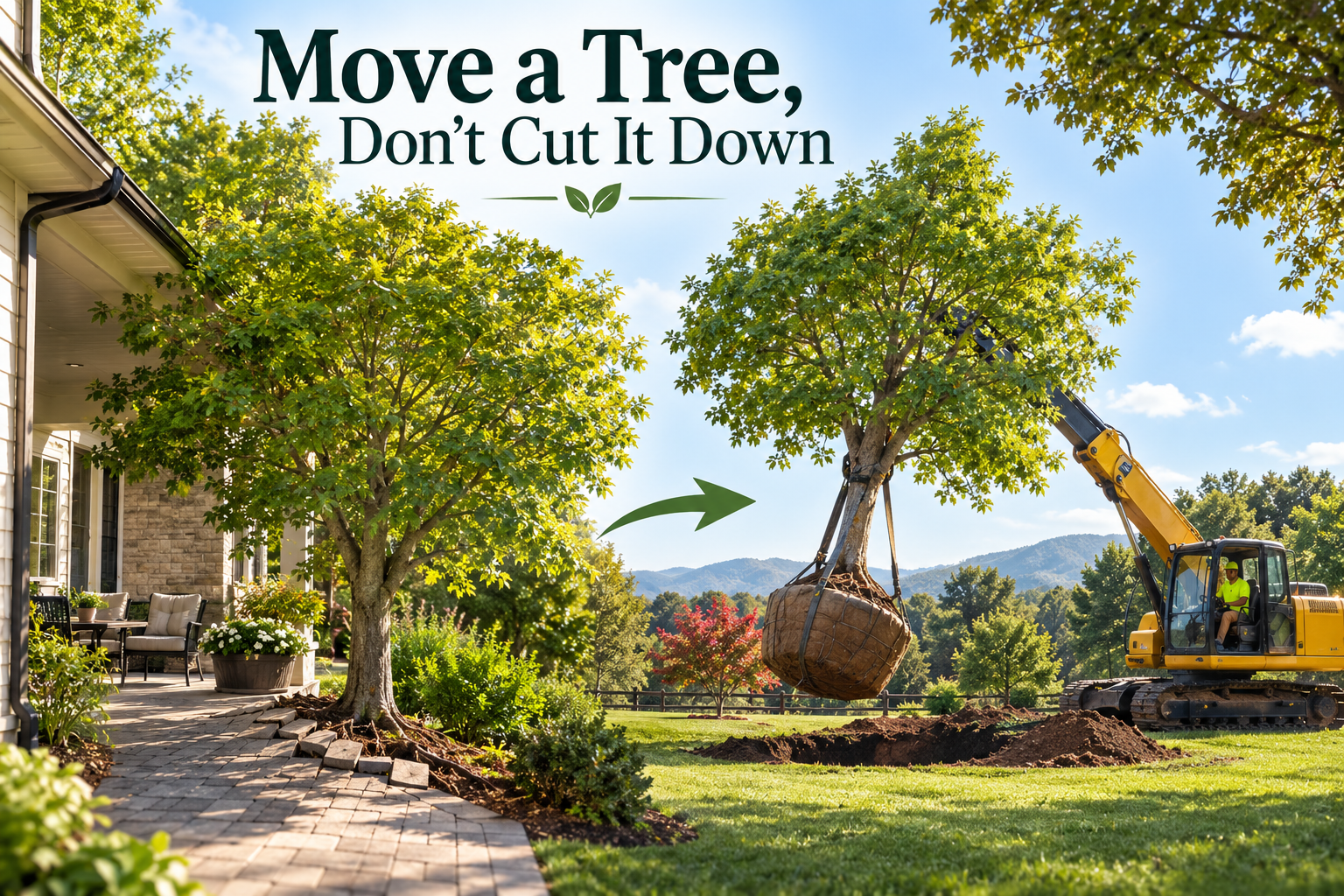
If a tree is leaning toward your home or growing dangerously close to utility lines, it may be time to remove or relocate it. Dusty’s Tree & Landscape Services offers both trimming and tree-moving options for homeowners who want to keep their trees while maintaining safety.
7. Trust Your Gut When Something Looks Off
You see your yard every day, so you’ll often notice small changes before anyone else does. If a tree suddenly looks different, loses leaves early, or develops a strange pattern of growth, it’s worth having it checked.
Many problems can be treated when caught early. In other cases, removing a sick or dying tree prevents costly damage and makes room for new, healthy growth.
Why Professional Evaluation Matters
Tree health isn’t always easy to judge from the outside. A trunk can appear sturdy even when the interior is hollow. Professional arborists use tools and experience to identify hidden decay, disease, or insect damage.
At Dusty’s, we inspect the whole tree, from roots to canopy, before recommending removal. If a tree can be saved, we’ll suggest treatment. If removal is necessary, we handle the process safely and efficiently, protecting your yard and surrounding structures.
Protecting Your Property and Peace of Mind
Removing a tree isn’t just about clearing space. It’s about protecting what matters most: your home, your family, and your landscape. By catching early warning signs, you can prevent emergencies and keep your property looking its best year-round.
If you’re unsure about a tree on your property, contact Dusty’s Tree & Landscape Services. Our experienced team provides honest advice and reliable tree care across North Georgia.